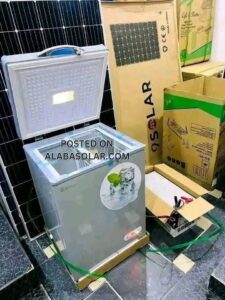
Bona Solar Freezer Price in Nigeria: Your Ultimate Buying Guide
Nigeria faces a growing demand for dependable and energy-efficient refrigeration. Areas with erratic power supply particularly struggle. Households and businesses often contend with frequent power outages. The escalating cost of electricity further complicates operations. These challenges disrupt daily life and economic activity.
Bona Solar Freezers present a sustainable and economical alternative. They operate on solar energy. This significantly reduces or eliminates reliance on grid electricity. Users benefit from lower utility expenses. These freezers offer a practical solution to power instability.
This article details Bona Solar Freezer prices in Nigeria. It examines factors influencing these costs. Readers will learn about the benefits and how to make an informed purchase. The aim is to guide consumers effectively.
Solar-powered freezers utilise direct solar radiation for energy. They convert sunlight into electricity. This powers the refrigeration system. Solar panels absorb sunlight. They generate direct current (DC) electricity. This energy then flows to a charge controller. The controller manages power distribution. It ensures efficient charging of a battery bank. The battery bank stores surplus energy. This stored energy powers the freezer unit during nighttime or cloudy periods. The freezer unit then uses this electricity to cool its interior. This process maintains consistent low temperatures.
The essential parts of these systems include solar panels. These capture sunlight. A charge controller regulates energy flow. A battery bank stores power for continuous operation. Finally, the freezer unit performs the actual cooling.
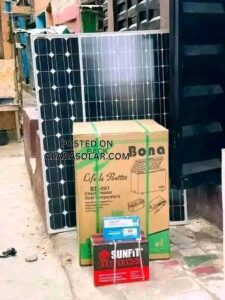
Bona Solar Freezers provide long-term financial advantages. Electricity bills are significantly reduced compared to traditional freezers. These savings can be substantial over the freezer’s lifespan. Some designs feature fewer moving parts, which lowers maintenance expenses. Reliance on expensive generator fuel also diminishes. This offers a clear economic benefit.
These freezers deliver uninterrupted cooling. This is vital for food preservation. It is especially critical in off-grid areas. Regions with unreliable power grids also benefit. Solar freezers ensure food remains fresh. This contrasts sharply with the inconsistent grid supply.
Utilising renewable solar energy is eco-friendly. It reduces carbon emissions. This contributes to a healthier environment. Adopting solar technology supports Nigeria’s green initiatives. It lessens reliance on fossil fuels.
Bona Solar Freezers are ideal for remote locations. They suit rural areas lacking grid access. Businesses unable to depend on grid electricity also find them beneficial. Their standalone operation offers true energy independence. This expands refrigeration access to underserved communities.
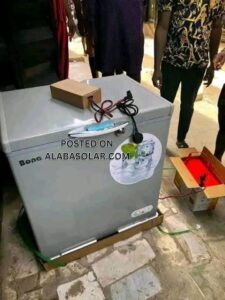
Larger freezers offer greater storage volume. These models naturally carry higher price tags. Common capacities include 100L, 200L, and 300L units. Increased capacity directly correlates with material costs and cooling system requirements.
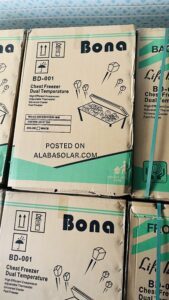
The overall system cost depends on the solar panel wattage. Panel efficiency also plays a role. Higher quality, more efficient panels increase initial investment. The battery bank’s quality, such as deep cycle type and Ah capacity, significantly affects pricing. A robust battery system ensures longer backup.
Different Bona models offer varied features. These can include frost-free operation or digital temperature displays. Enhanced insulation also contributes to price differences. Specific importers or distributors may set different pricing structures. Model-specific advancements influence the final cost.
Some prices include professional installation services. Others cover mounting hardware for solar panels and necessary wiring. Buyers should clarify what is typically included. Standard packages may vary. Additional costs might apply for complex installations.
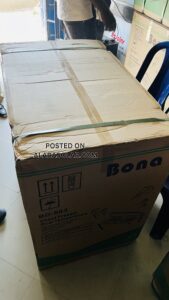
Prices can exhibit minor variations. This depends on the retailer. Geographical region within Nigeria also influences cost. Shipping and logistics expenses play a role. These factors contribute to slight price disparities.
Bona solar freezer prices in Nigeria show a distinct range. These figures are estimates. Actual prices can vary based on market conditions. Small units, under 150 litres, generally start from approximately ₦350,000. Medium-sized freezers, between 150 and 250 litres, typically range from ₦500,000 to ₦700,000. Larger, high-capacity models exceeding 250 litres can cost over ₦800,000. Buyers should confirm current pricing with reputable dealers.
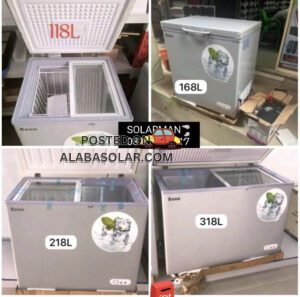
Official retailers and authorised distributors ensure genuine Bona products. They also provide warranty support. Buyers should seek out these reputable sources. Verifying authenticity prevents counterfeit purchases.
Checking the official Bona website is advisable. This can provide a list of authorised dealers in Nigeria. Direct contact with the manufacturer also yields reliable information. This ensures purchasing from a legitimate channel.
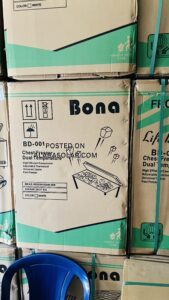
Popular Nigerian e-commerce sites often list Bona Solar Freezers. Platforms such as Jumia and Konga are common. These sites offer a broad selection. They also allow for price comparison.
Comparing prices and seller reviews across different platforms is recommended. Buyers should exercise caution with third-party sellers. Verification of seller credibility reduces purchase risks.
Some large appliance retailers may stock Bona Solar Freezers. They might also facilitate special orders. Stores like [mention a known large appliance retailer in Nigeria, if applicable, e.g., Fouani Nigeria Ltd.] sometimes carry solar-powered refrigeration options. Inquiring at such establishments can reveal availability.
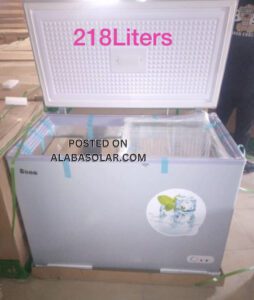
Determining the appropriate freezer size is crucial. Consider household requirements. Account for family size and storage habits. Business types also dictate capacity needs. Calculating current food storage volume helps. Projecting future requirements prevents misallocation of resources.
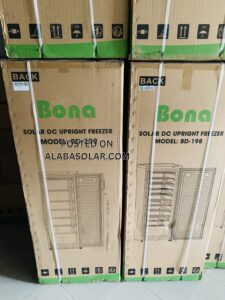
Review warranty terms carefully. This applies to both the freezer unit and solar components. Panels and batteries typically have separate warranties. Assess the availability and quality of after-sales support. Repair services in Nigeria are a key consideration. A comprehensive warranty of at least 1-2 years on the refrigeration unit is standard. Quality solar panels usually carry a 5-10 year warranty.
Optimal placement for solar panels is essential. Ensure maximum sun exposure. Panel angle and direction affect energy capture. The freezer unit requires good ventilation and a level surface. Discuss potential installation challenges with professionals. Seek expert help for complex setups. A clear, unobstructed path for sunlight ensures optimal panel performance.
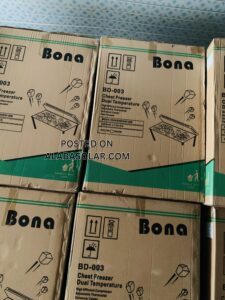
Bona Solar Freezers offer distinct advantages in Nigeria. They deliver substantial cost savings and reliable performance. Their environmental benefits are also significant. These freezers provide a durable solution to power challenges.
While the initial investment may exceed conventional freezers, the long-term economic gains are clear. Consistent performance and reduced running costs make them a worthwhile acquisition for many Nigerians.
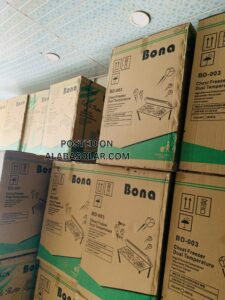
Conduct thorough research. Compare prices from reputable sources. Consider specific needs and operating conditions. An informed decision ensures maximum benefit from your Bona Solar Freezer purchase.