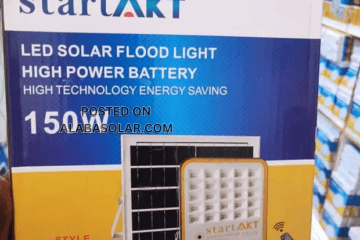
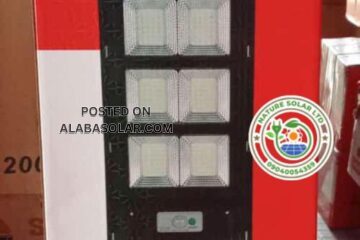
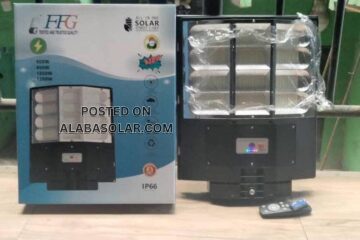
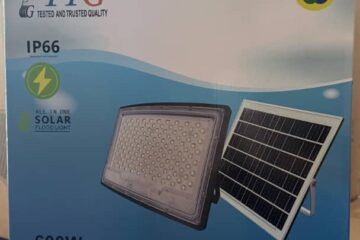
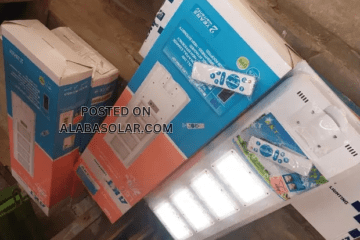
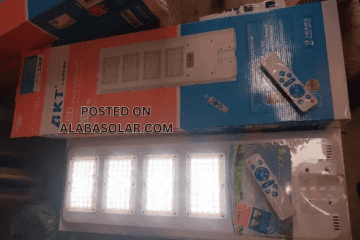
Solar flood lights are outdoor lighting fixtures that use photovoltaic panels to charge batteries during the day, providing illumination at night. Here’s a rundown:
*How they work:*
– Solar panels convert sunlight to electricity, charging batteries
– Batteries store energy for nighttime use
– LED lights turn on automatically at dusk, using stored energy
– Motion sensors or timers can be added for extra functionality
*Key benefits:*
– Energy-efficient and eco-friendly
– No electricity bills or wiring needed
– Easy installation and maintenance
– Reliable lighting for outdoor areas, even during power outages
*Common features:*
– High-brightness LEDs (up to 10,000 lumens)
– Adjustable panels and light heads for optimal positioning
– Waterproof and IP65-rated for durability
– Battery life: 4-6 hours (depending on settings and battery capacity)
*Types:*
– Integrated designs (panel and light combined)
– Split systems (separate panel and light)
– Motion-activated or timer-controlled models
– Color options: cool white, warm white, or RGB
*Applications:*
– Security lighting for homes, businesses, or public spaces
– Outdoor events, parties, or construction sites
– Garden, patio, or pathway lighting
– Emergency lighting for disaster relief or remote areas
*Things to consider:*
– Choose the right size and capacity for your space
– Check local regulations and permits
– Consider battery replacement and maintenance costs
– Look for high-quality, weather-resistant materials
*Top brands:*
– Philips
– Lumen
– SolarOne
– Brite
– Sunlight
*Price range:*
– Basic models: ₦10,000 – ₦50,000
– Mid-range: ₦50,000 – ₦150,000
– High-end: ₦150,000 – ₦500,000 or more
When choosing solar flood lights, consider your specific needs, budget, and local sunlight conditions. With the right setup, solar flood lights can provide reliable, eco-friendly illumination for your outdoor space.